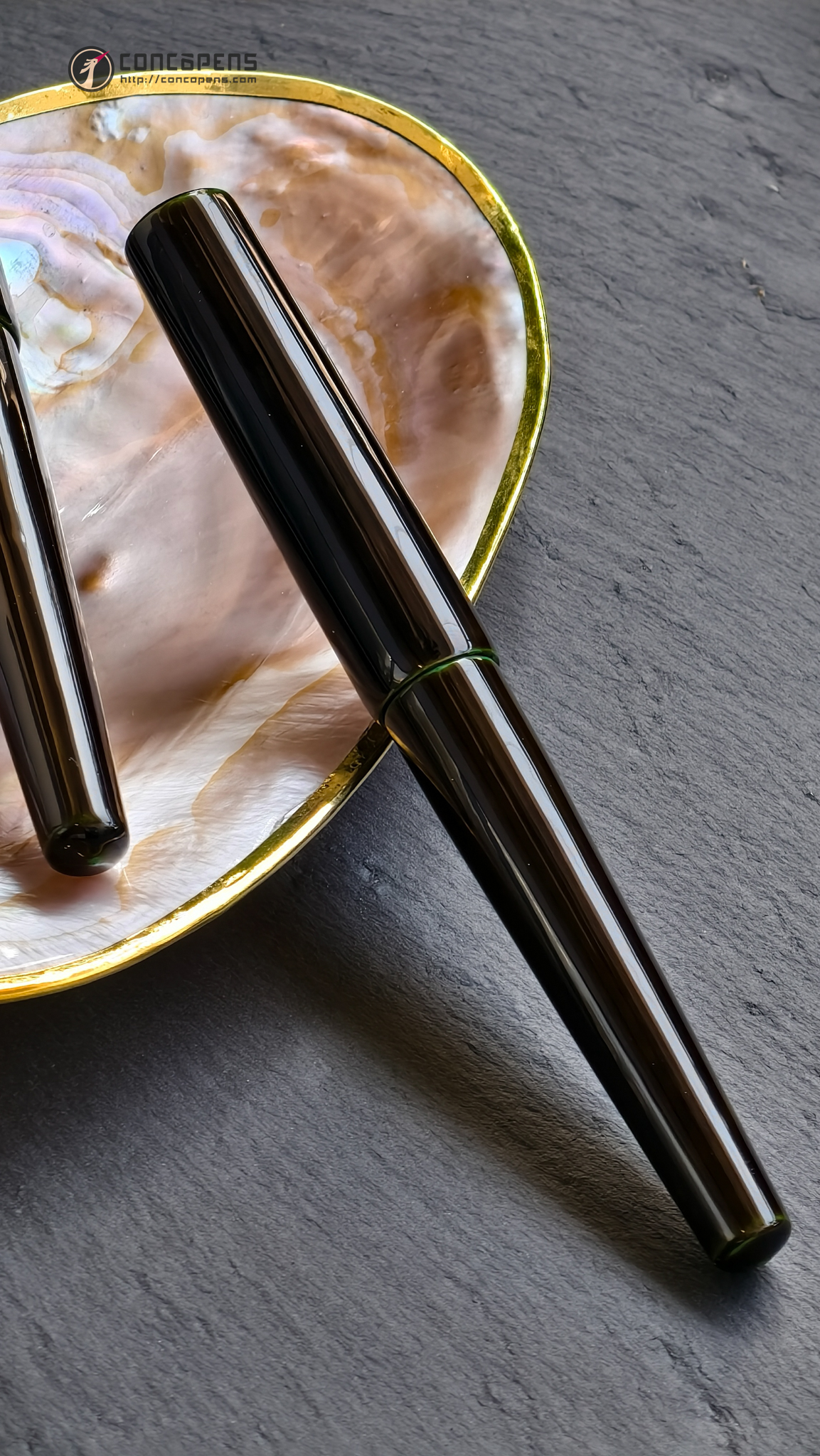
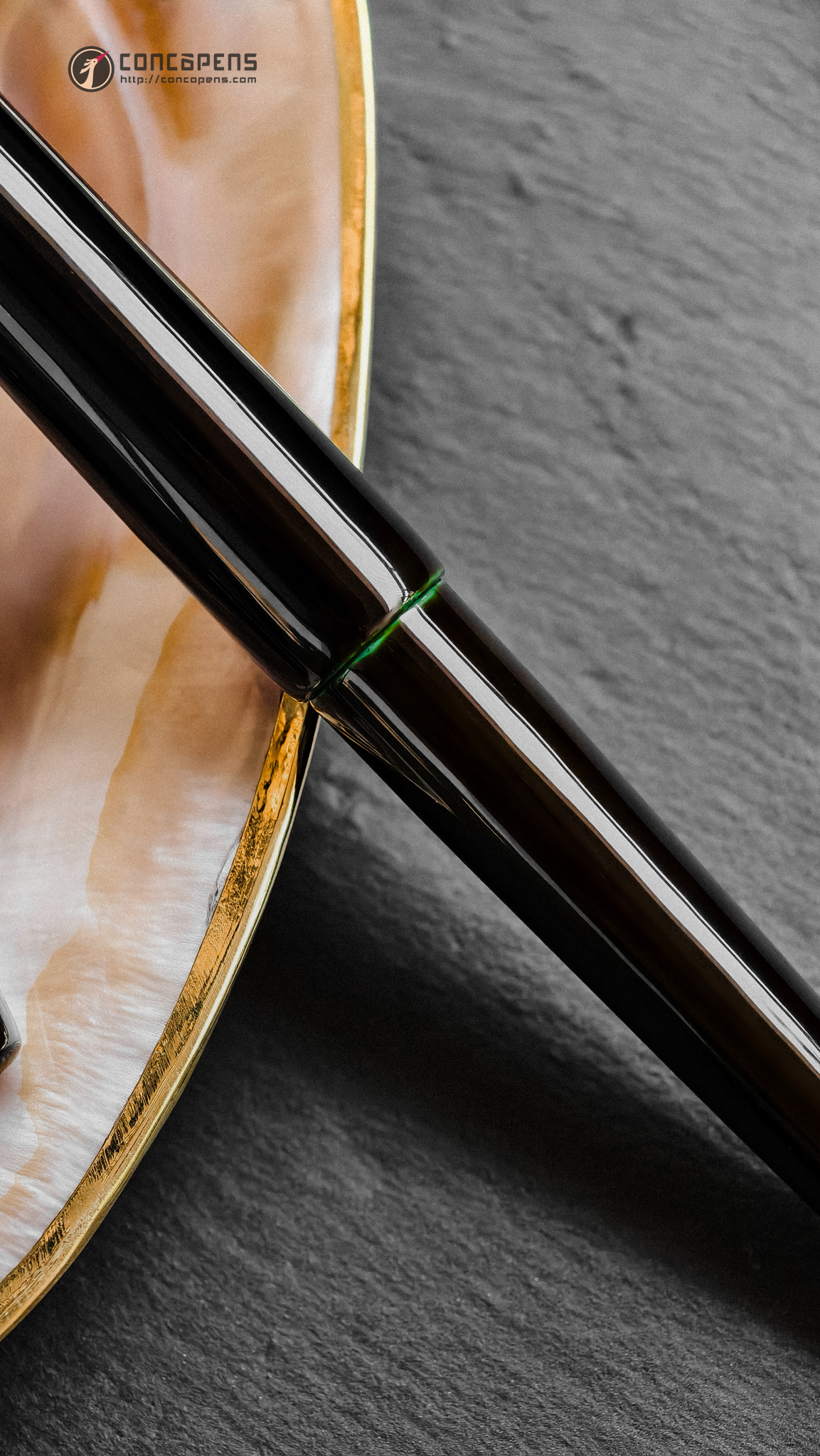
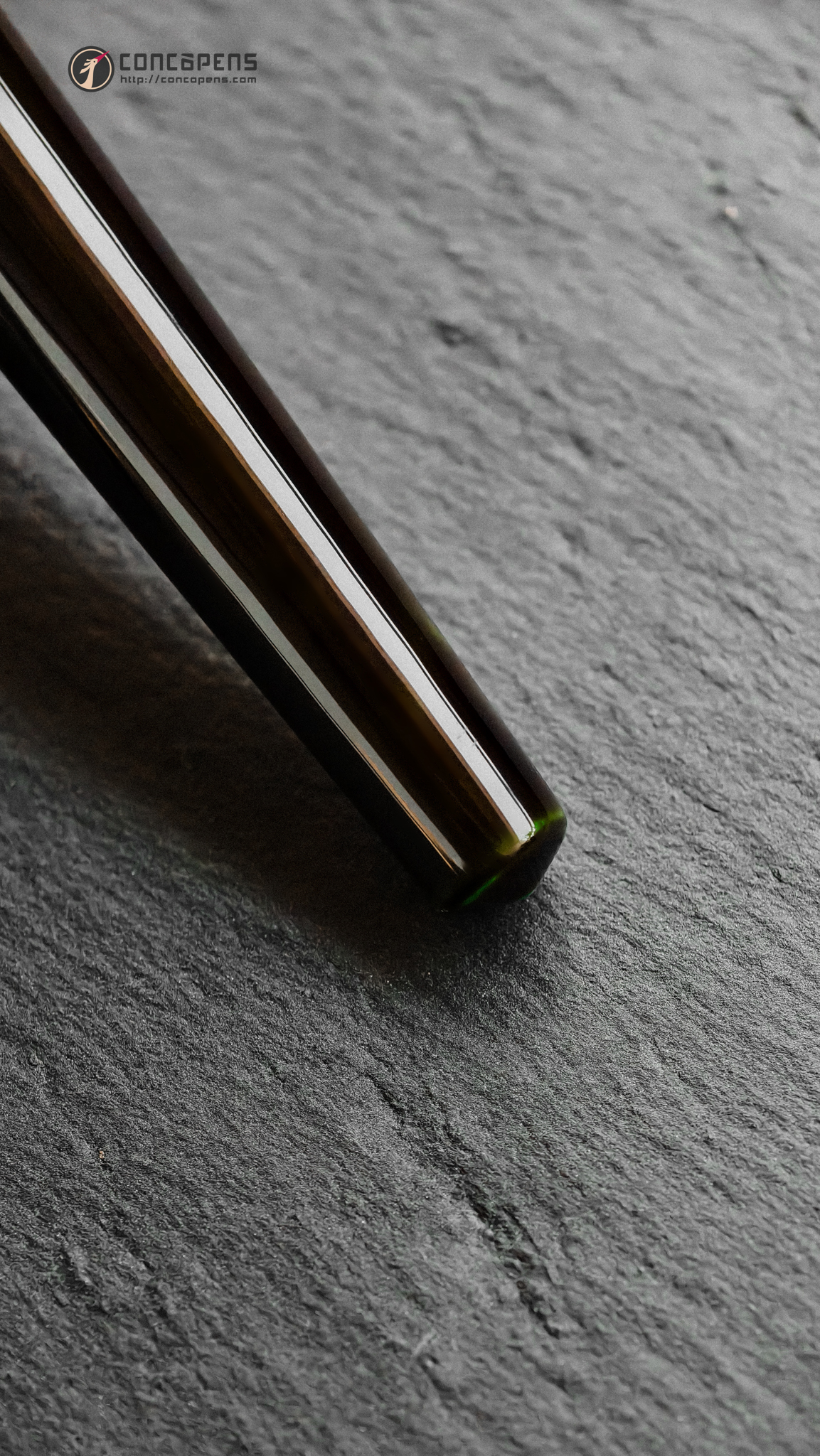
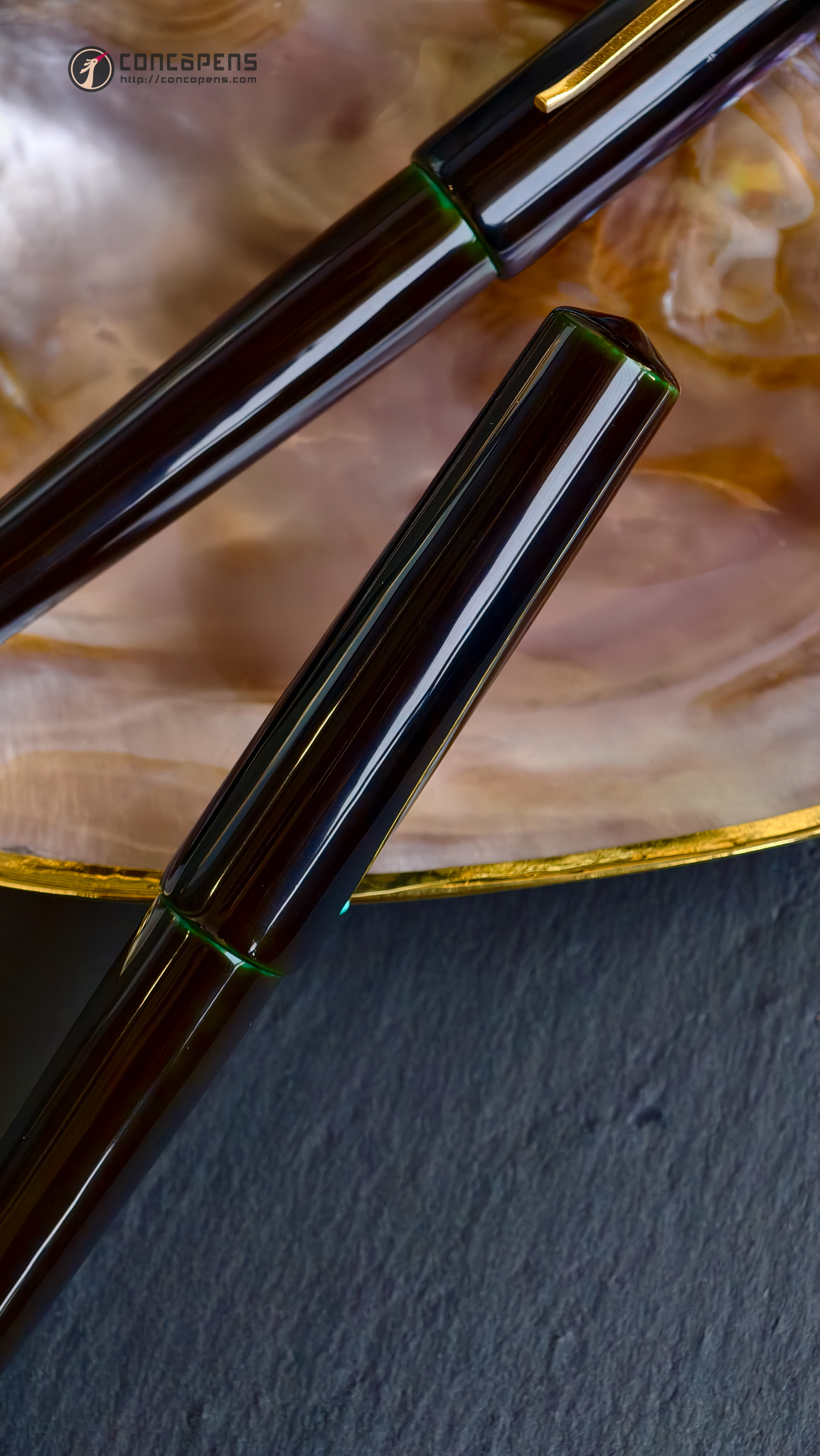



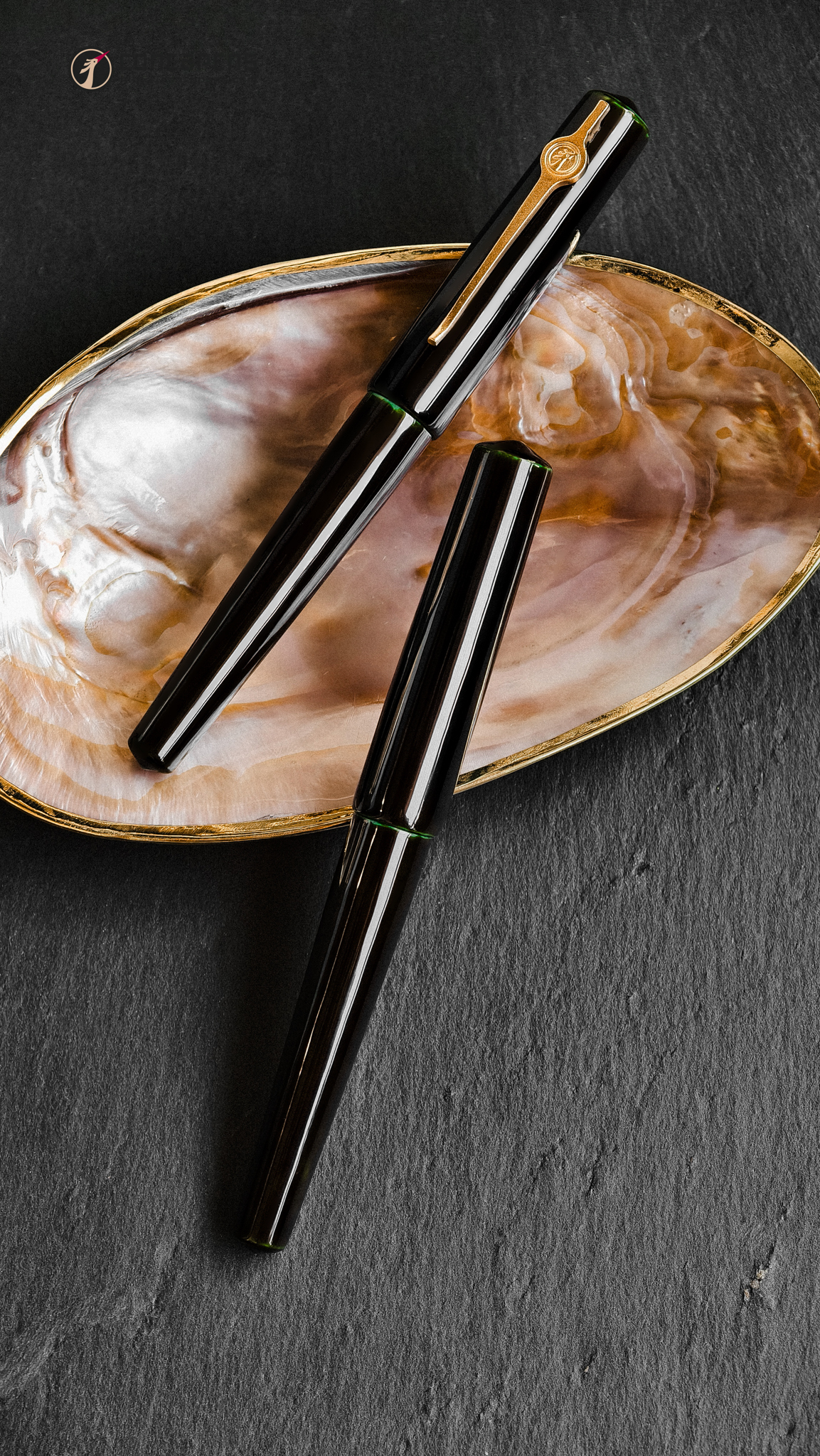
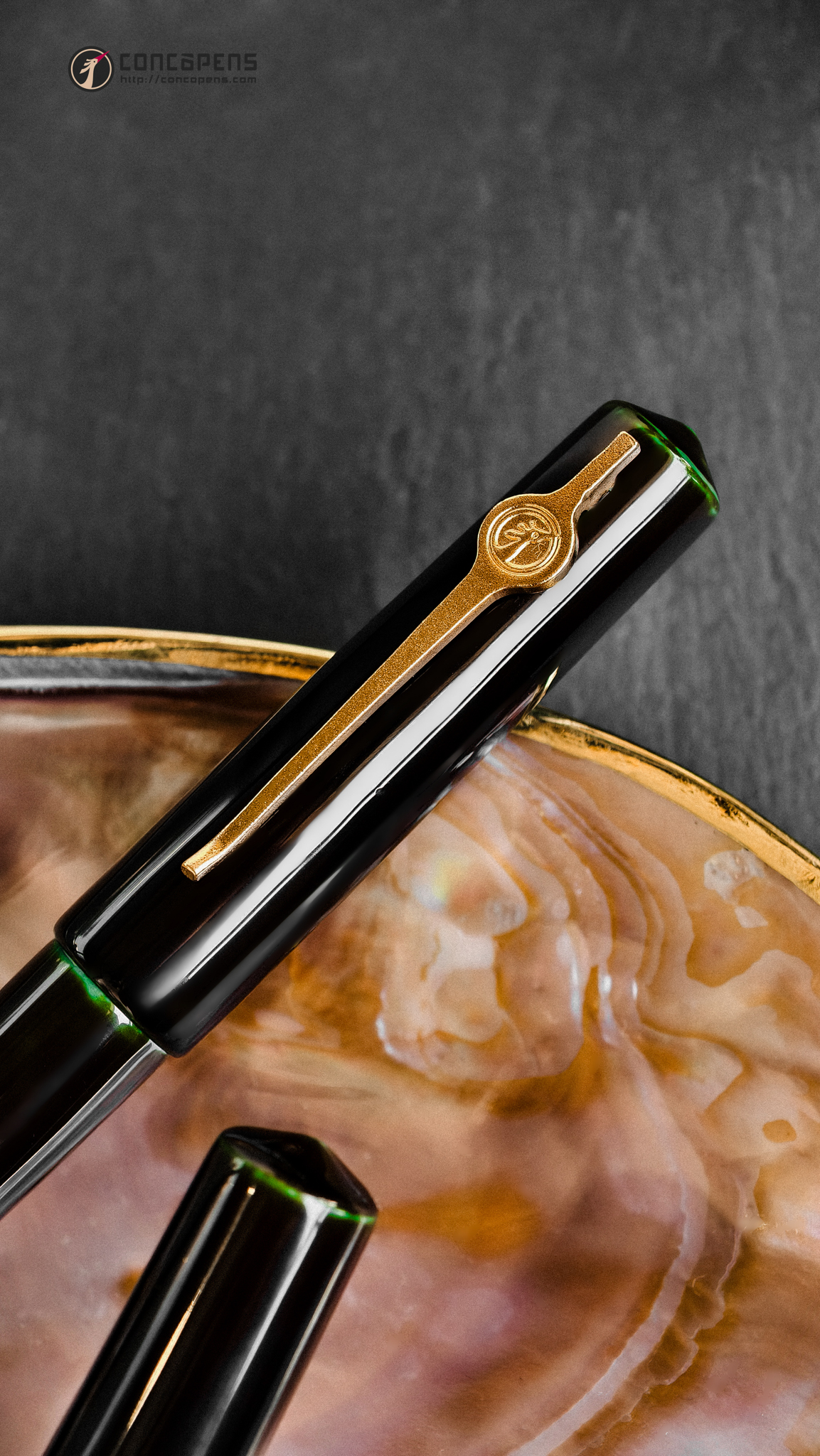
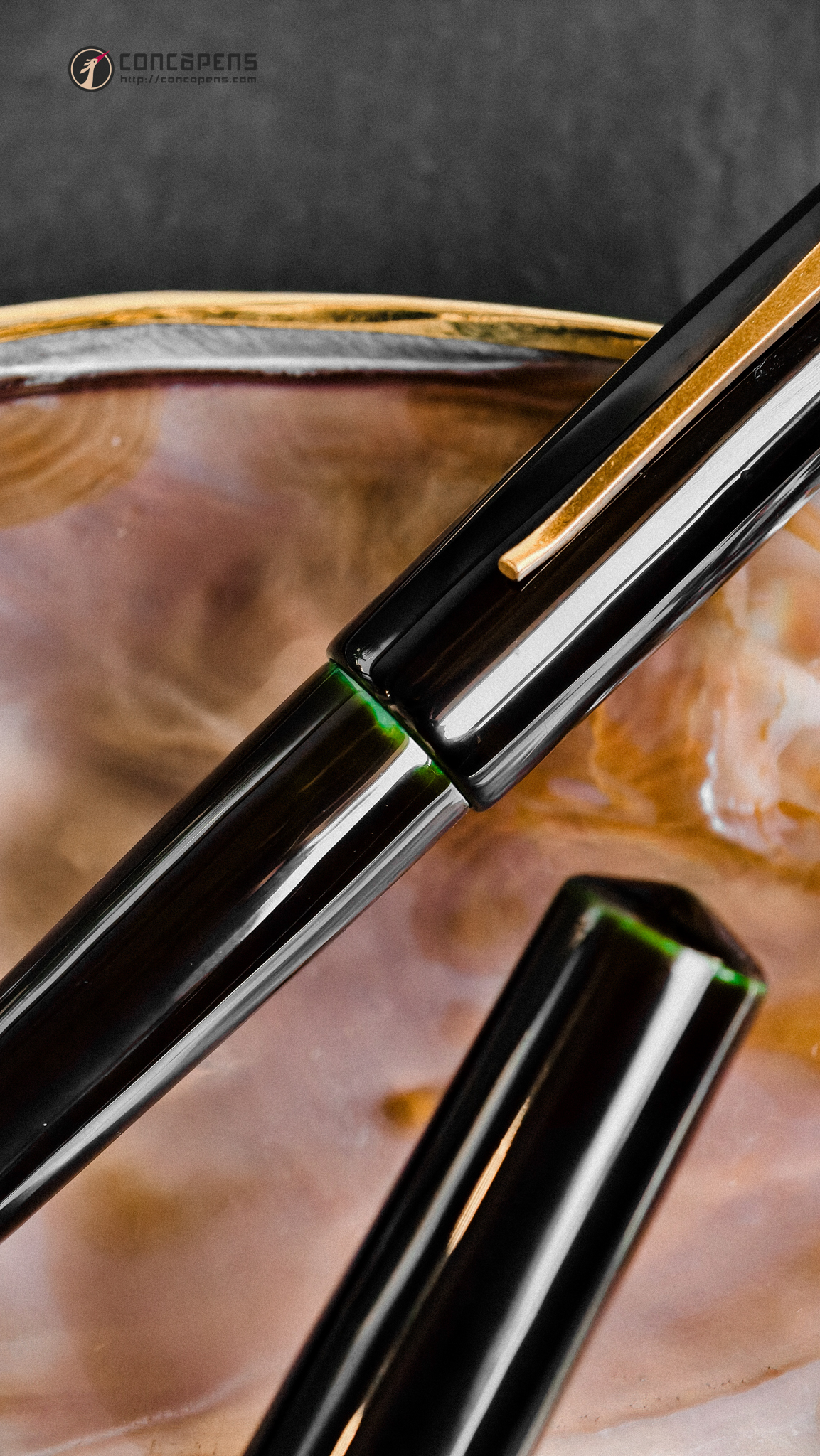
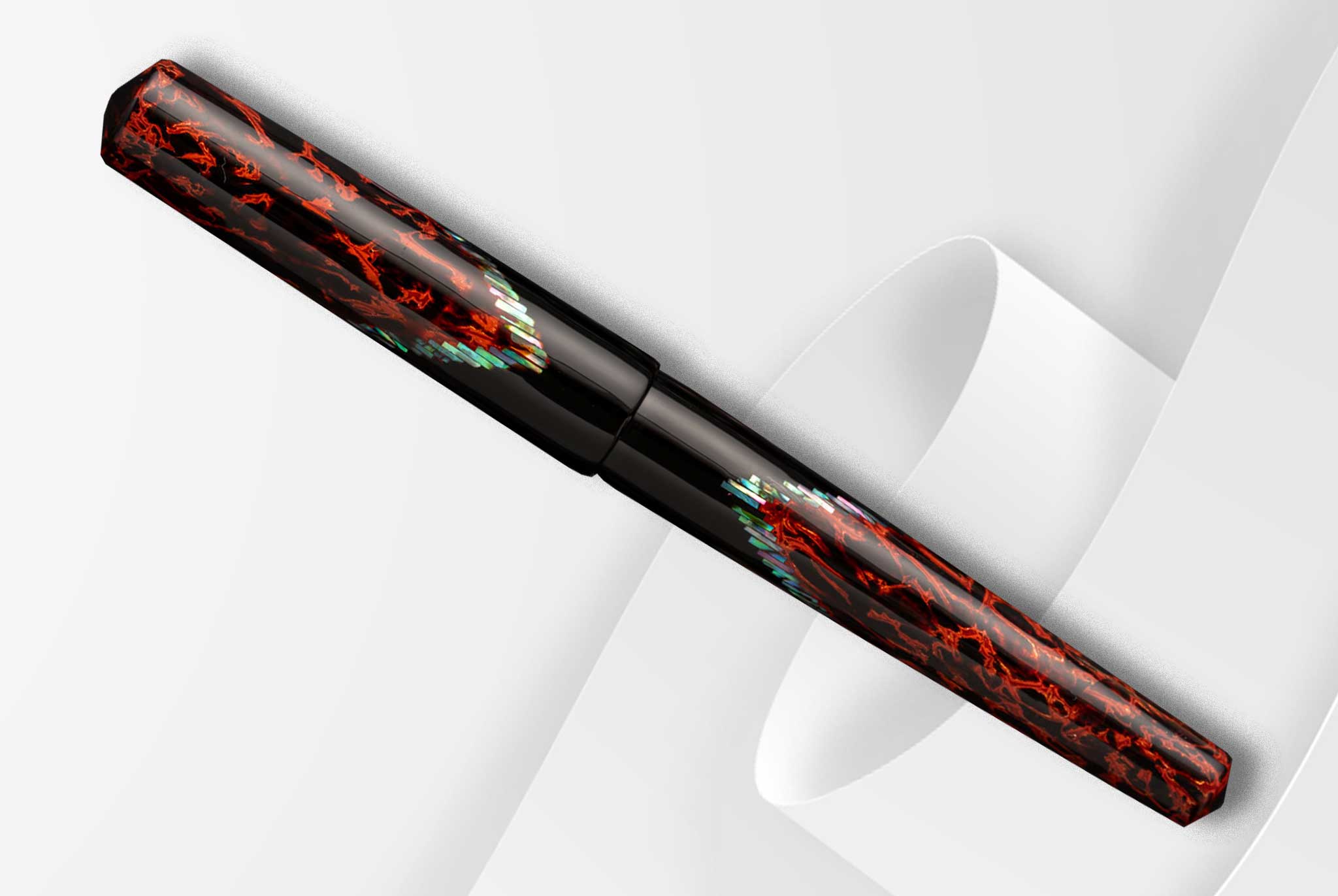
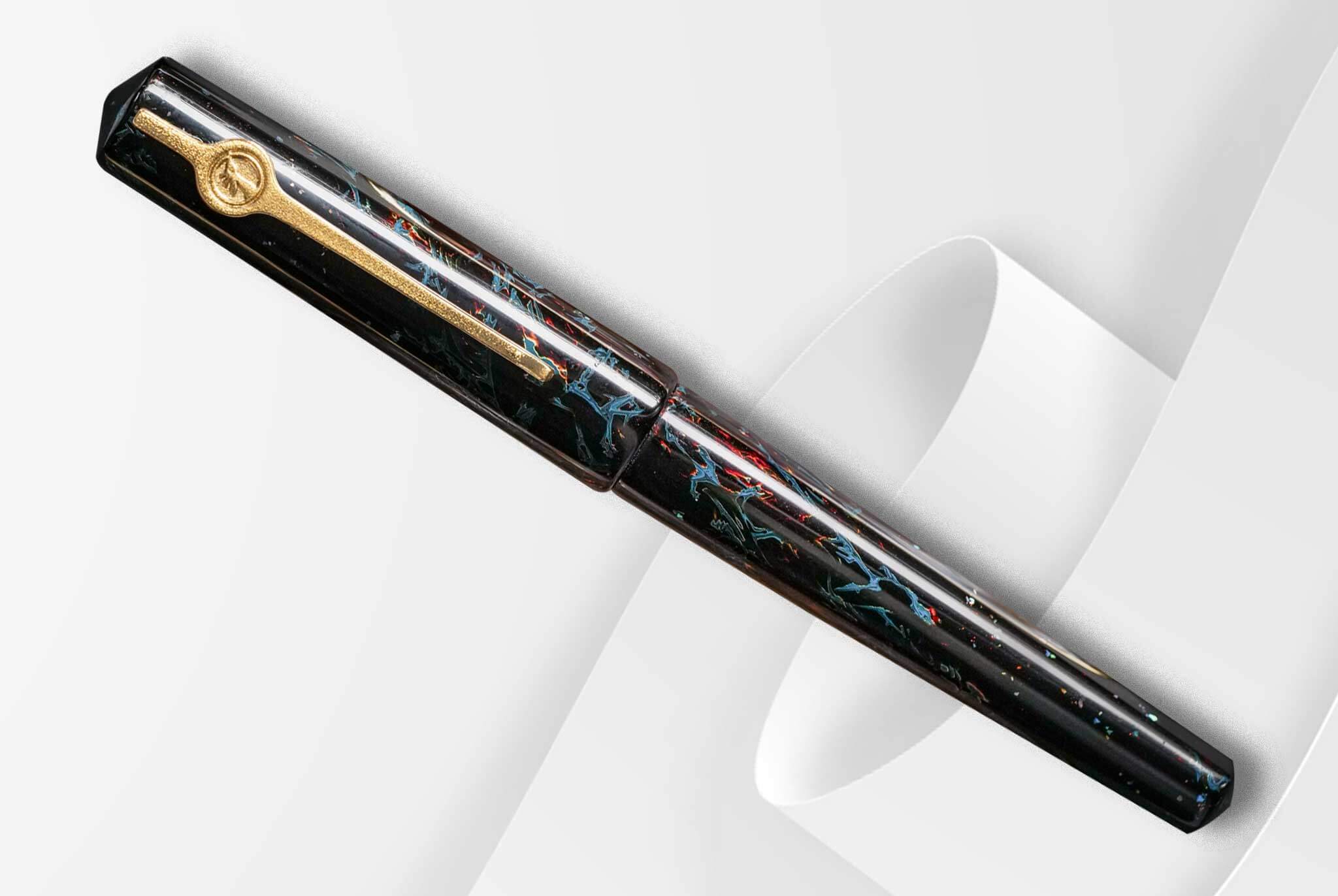
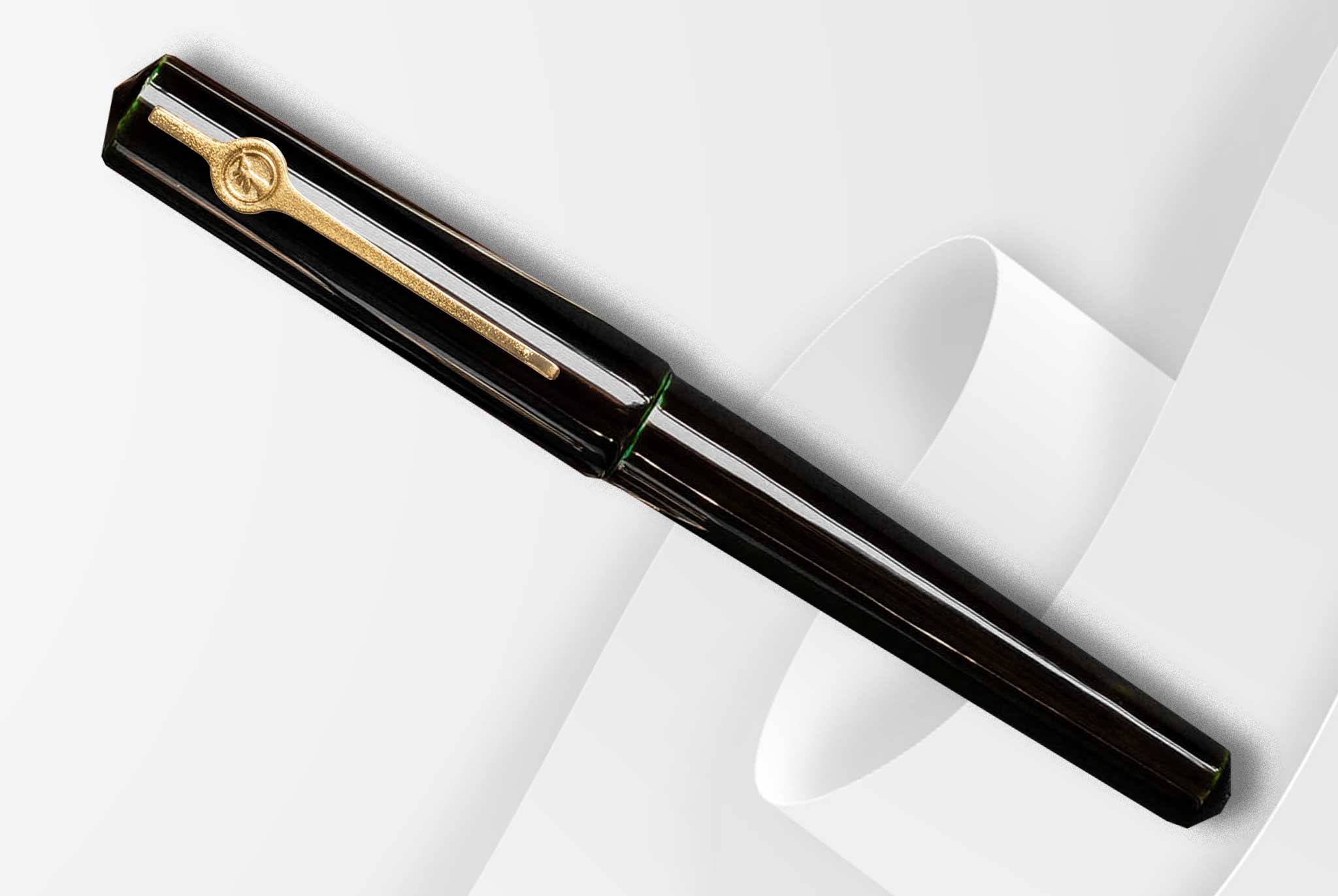
“Mộc” Jade Line is a celebration of Vietnamese traditional lacquer craftsmanship, where restraint and patience reveal beauty over time. Beneath its deep, mirror-black lacquer surface, delicate green lines emerge through meticulous hand-polishing — subtle, luminous, and quietly powerful.
These green accents resemble jade hidden within stone, a precious presence revealed only to those who look closely. They symbolize the belief that true value is never loud, never obvious, but patiently waiting beneath a calm and modest exterior.
Crafted by hand using traditional Vietnamese lacquer techniques, each Mộc Jade Line fountain pen carries the rhythm of time, the discipline of the artisan, and the spirit of nature itself. Every polished edge, every revealed green trace is a moment where craftsmanship meets intention.
Mộc Jade Line is not designed to impress at first glance,
it is created to be discovered, appreciated, and cherished over time.
Vietnamese traditional lacquerware is a sophisticated surface-decorating technique that creates rich textures and effects through a meticulous layering and polishing process. Each Then pen is handcrafted using distinctive tools and natural materials, including:
The Pen Core: The inner body of the pen is carefully selected and handcrafted by artisans using precious native Vietnamese hardwoods such as Ebony (Mun), Rosewood (Trắc), Dalbergia (Cẩm), and Agarwood (Hương).
Tam Nong Lacquer Resin (Sơn Ta Tam Nông): This is the key material used to create the outer lacquer surface. Extracted from the lacquer trees of Tam Nông, Phú Thọ, it acts as both the main binding agent and the defining feature of authentic Vietnamese lacquer art.
Traditional Lacquer Colors: The deep, rich hues – especially the iconic cockroach-wing brown (màu sơn cánh gián) – are achieved using time-honored pigments and additives, unique to Vietnamese lacquer techniques.
Artisan Tools: The artisan applies the lacquer and patterns using fine brushes, feather strands, or even bare hands, creating subtle textures and delicate visual details on the pen’s surface.
Polishing Technique: For single-color pens like Mộc Essential, after each drying stage, the surface is hand-polished using xoan charcoal powder – made from burning and grinding Chinaberry (xoan) wood – to achieve an exceptionally smooth and lustrous finish.
At ConCoPens, the creation of a traditional Vietnamese lacquer fountain pen follows a meticulous, multi-step process rooted in heritage and refined craftsmanship. The key stages include:
Shaping the Pen Body and Cap: Carefully selected hardwood is kiln-dried, then turned and drilled to form the basic structure of the pen and cap.
Smoothing the Wooden Core: The surface of the wooden core is finely sanded to ensure optimal adhesion of the lacquer layers.
Fitting Brass Threads & Pre-Polishing: Brass threads are installed, and the wooden body is polished to prepare for the lacquer application.
Applying the Base Lacquer Layers: Initial layers of lacquer are applied to build a foundation for subsequent coats. These layers ensure strong bonding and durability.
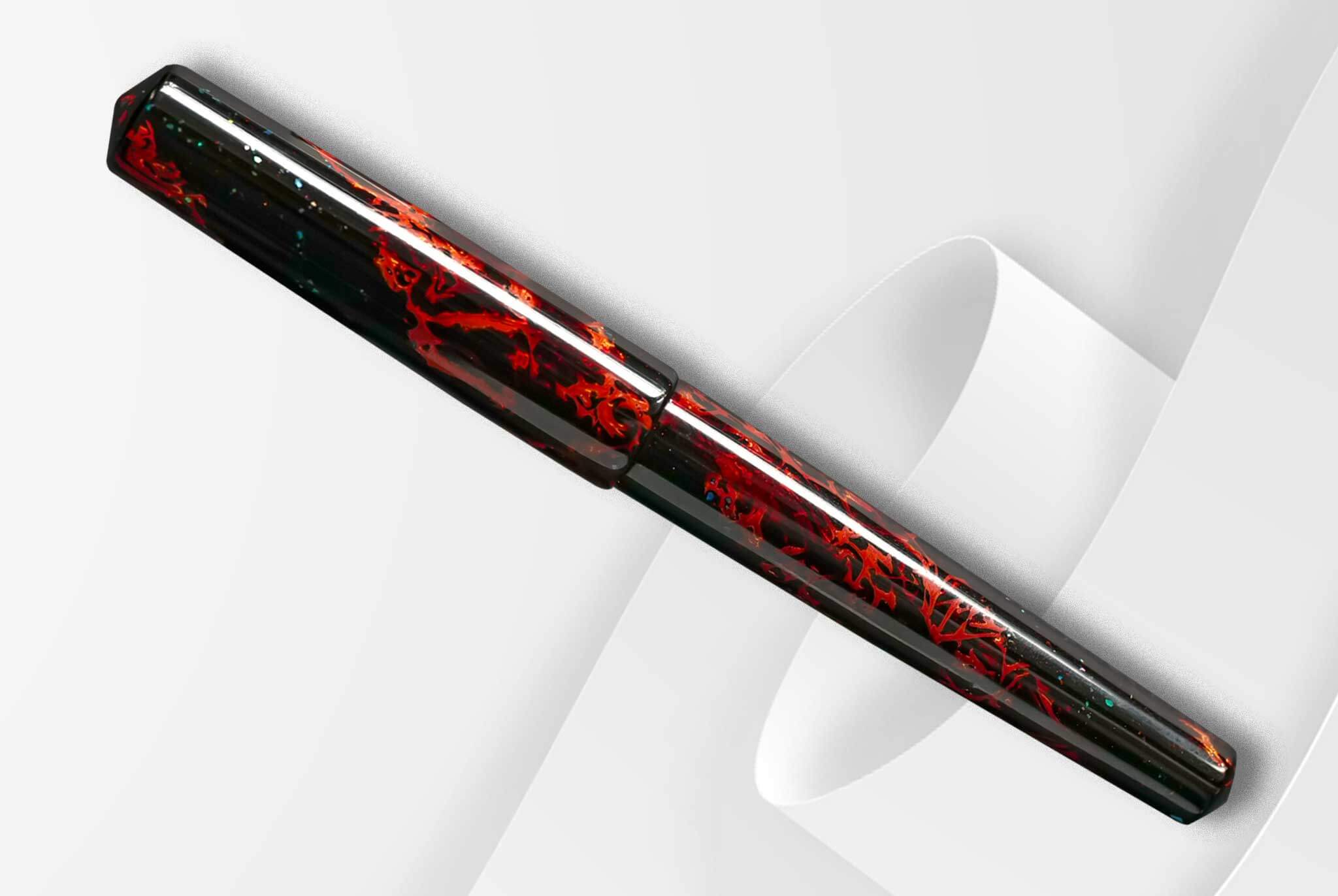
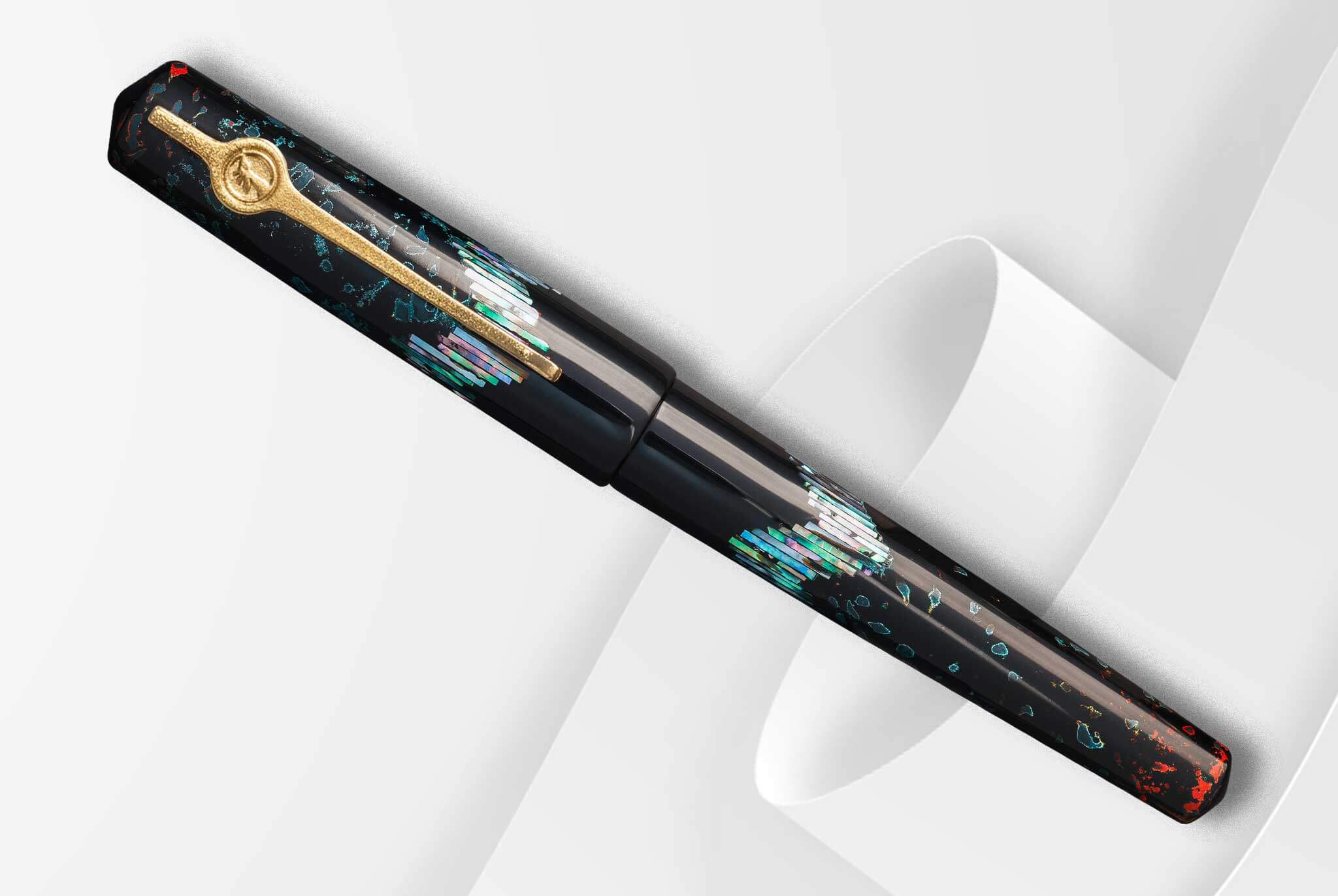
Creating Decorative Motifs: Once the base lacquer is fully cured, artisans may apply traditional decorative materials such as gold leaf, silver, mother-of-pearl, or eggshell. Using specialized tools, they craft distinctive Vietnamese patterns—alternatively, for minimalist models, this step is skipped to preserve the pen’s clean, single-tone look.
Layering & Polishing the Lacquer: Multiple coats of lacquer are added and meticulously hand-polished to achieve a refined glossy or matte finish, depending on the design.
Final Surface Finishing: The final polish is done using xoan charcoal powder (made from Chinaberry wood), yielding an exceptionally smooth and lustrous surface.

As a handcrafted item produced through traditional methods, each lacquer pen requires a high level of precision and craftsmanship, which contributes to its unique value. Lacquer pens are highly valuable across various fields, including:
Culture: Through lacquer pens, the traditional Vietnamese lacquer art is more distinctly recognized both domestically and internationally. Alongside traditional lacquer products like paintings, boxes, vases, and plates, the creation and use of lacquer pens help preserve the beauty of Vietnamese handicrafts.
Education: Lacquer pens are used in education to help students understand the history and cultural heritage of Vietnam, as well as to develop writing and drawing skills.
Decoration and Gifts: Lacquer pens are utilized for decorating homes and offices or as meaningful gifts for friends and family. These products are often valued for their aesthetic appeal and their historical and cultural significance.
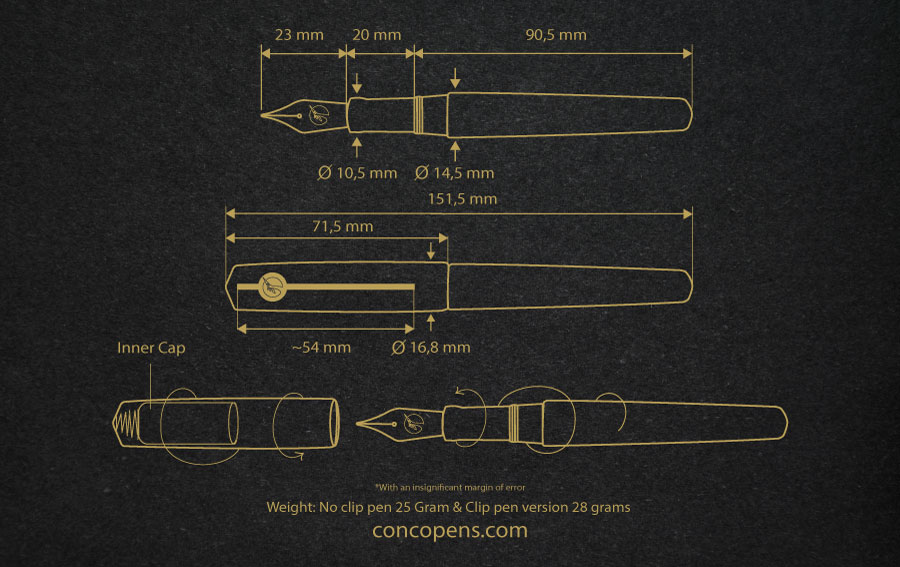
The fountain pen is intentionally optimized in size, based on real writing experience and long-term usage habits. The proportions of length and barrel diameter are carefully balanced, allowing the pen to rest comfortably in the hand without causing fatigue during extended writing sessions.
The grip section features a gentle taper that helps guide the fingers into the correct position, providing stability and precise control over each stroke. Overall, the design emphasizes comfort, balance, and a natural feel, making it suitable for both everyday note-taking and slower, more mindful writing moments, where one can fully appreciate the experience of a handcrafted fountain pen.
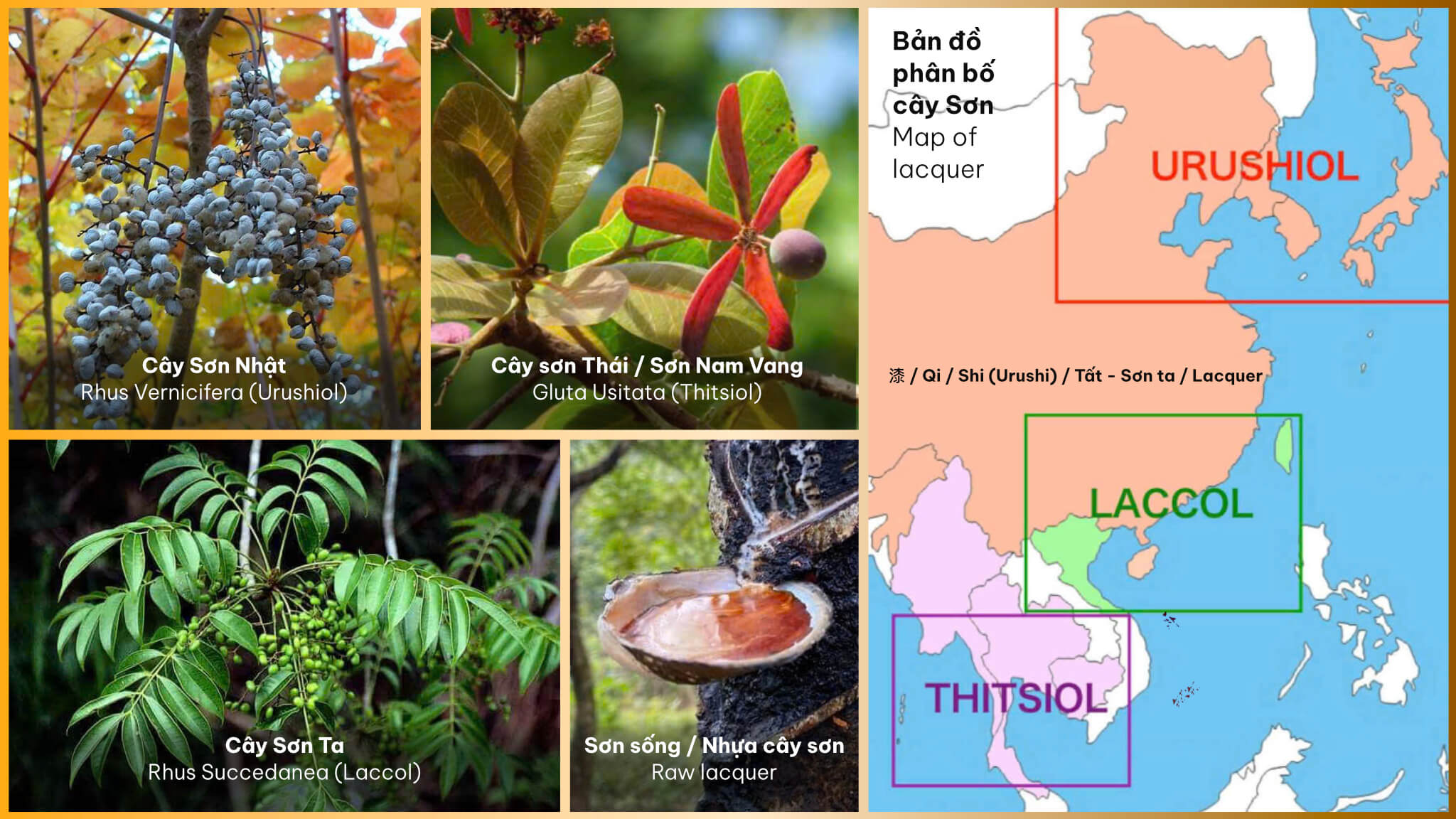
According to research materials, Vietnamese lacquer (sơn ta – laccol) and Japanese lacquer (urushi) both belong to the family of natural tree-resin lacquers that cure through enzymes and humidity. However, they differ in chemical structure and reaction dynamics.
Japanese urushi has shorter molecular chains and a higher number of double bonds, allowing it to cure more quickly and form a hard, highly glossy surface. In contrast, Vietnamese sơn ta has longer molecular chains with fewer double bonds, resulting in a slower curing process. In return, it offers greater flexibility, depth, and a warm, distinctive sheen.
This “slow but deep” characteristic is what creates the calm, enduring, and emotionally rich beauty of Vietnamese lacquer, setting it apart from the sharper, more crisp aesthetic of Japanese lacquer.
With its uniqueness and high artistic value, ConCoPens lacquer fountain pens deliver both spiritual meaning and everyday practicality. If you have any questions or need consultation, please contact us via email or our official fanpage. ConCoPens is always happy to assist you.
$499
$1,000
$330
$325
$355
Price range: $435 through $845
$350
$170