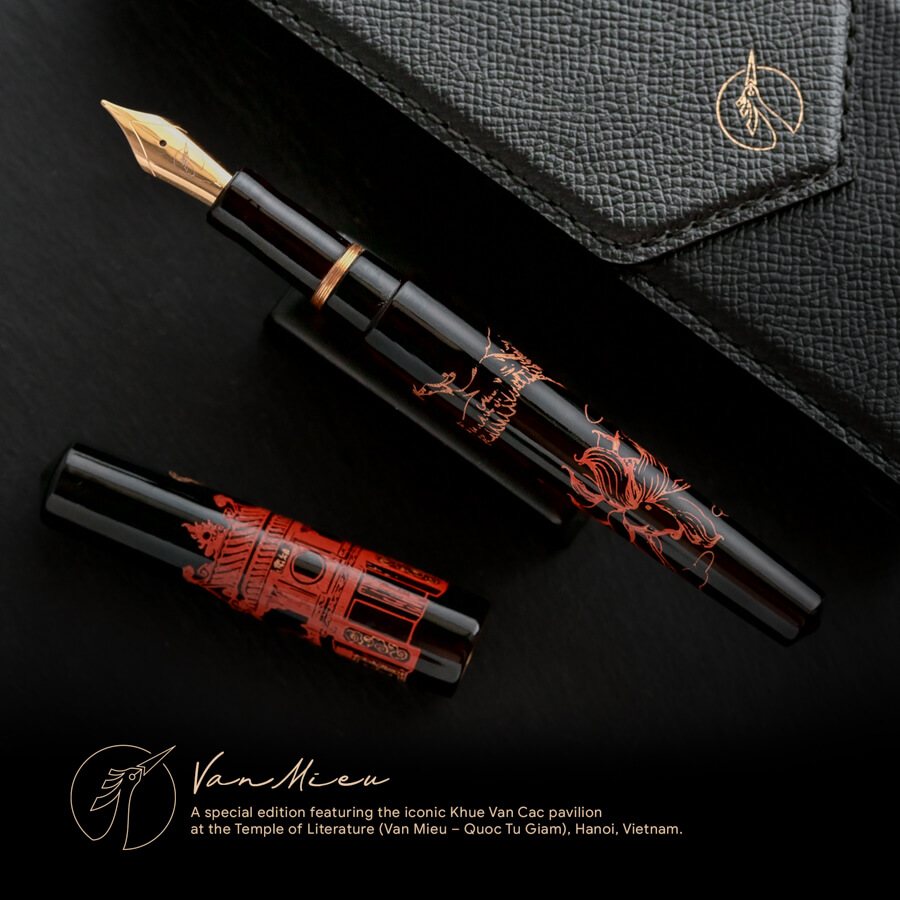
How Urushi Lacquer Fountain Pens Are Made: A Step-by-Step Artisan Guide
How Urushi Lacquer Fountain Pens Are Made: The Full Artisan Process
Have you ever wondered what goes into making a urushi lacquer fountain pen? The process is unlike anything in modern manufacturing. In fact, it takes months of patient, skilled work. This guide walks you through every step, from raw sap to finished pen.
Step 1: Sourcing the Urushi Sap
First, artisans harvest the sap from the Japanese lacquer tree, Toxicodendron vernicifluum. They cut small grooves into the bark. Then, they collect the milky sap that flows out. Each tree produces only a small amount of sap each year. As a result, authentic urushi is rare and valuable.
Furthermore, the sap goes through careful filtering. This removes impurities and controls the moisture level. Only after this preparation is it ready for use on a pen body.
Step 2: Preparing the Pen Body
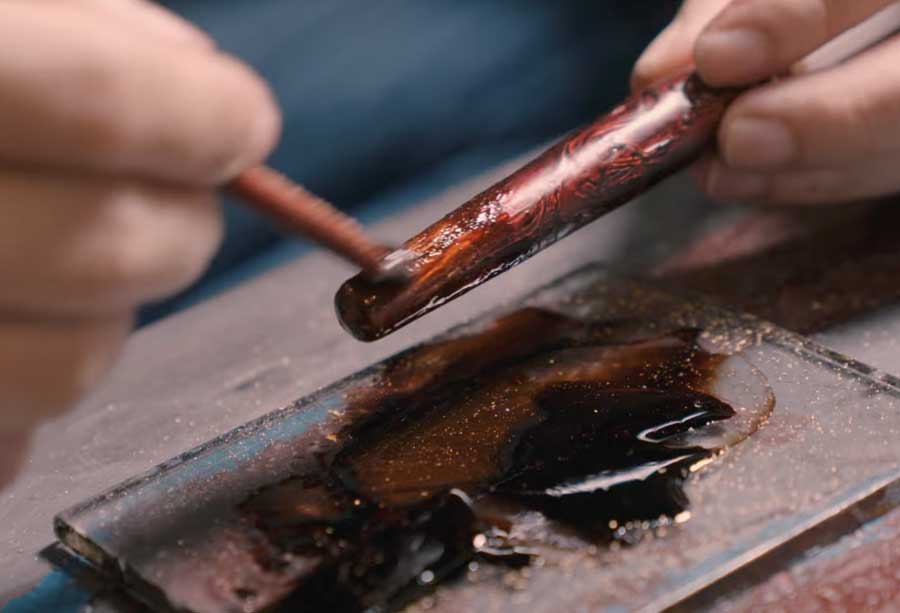
Next, the artisan prepares the base material. Most urushi fountain pen bodies use wood, ebonite, or resin. The artisan sands the surface by hand until it is completely smooth. In addition, they apply a base coat of raw lacquer to seal the material. This coat must fully cure before the next step begins.
Step 3: Building Up the Lacquer Layers

This is the most time-consuming part of the process. The artisan applies the lacquer in many thin layers. Each layer requires careful brushwork to avoid bubbles or streaks. After each coat, the pen goes inside a muro, a humidity-controlled box.
Inside the muro, the lacquer cures slowly. Urushi does not dry like ordinary paint. Instead, it undergoes a chemical reaction with moisture in the air. This reaction creates a surface that is harder and more durable than most modern coatings. Typically, an artisan applies between 8 and 12 layers over several weeks.
Step 4: Hand Polishing Between Layers
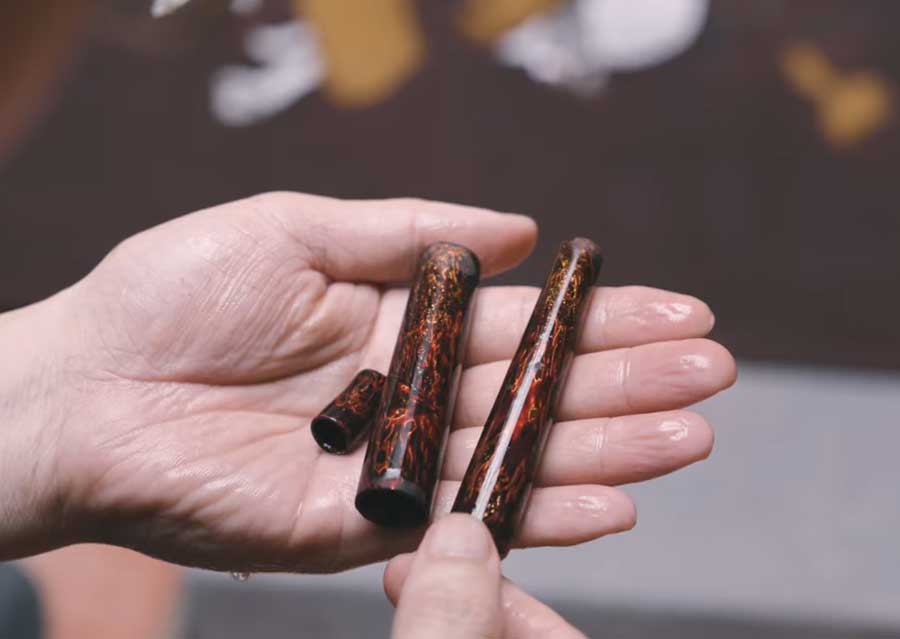
After each layer cures, the artisan polishes the surface by hand. They use fine charcoal powder or water stones for this step. The goal is to remove any texture and create a perfectly flat base for the next coat. This polishing step requires great patience and skill. However, it is what gives lacquer fountain pens their signature deep, mirror-like finish.
Step 5: Applying Decorative Techniques
Once the base layers are complete, the artisan can add decorative art. There are several traditional techniques, and each one requires years of dedicated practice.
- Maki-e: The artisan uses a fine brush to paint a design in wet lacquer. Then, they sprinkle gold or silver powder onto the surface. The result is a luminous, intricate pattern embedded in the lacquer.
- Raden: Thin pieces of abalone or mother-of-pearl shell are carefully cut and inlaid into the lacquer surface. The light catches these pieces from different angles, creating a vivid, shifting glow.
- Tamenuri: The artisan applies a translucent colored coat over a deep base color. This technique creates a rich, layered depth that changes in different lighting.
Step 6: The Final Polish
Finally, the artisan applies the last coat and performs the finishing polish. This step uses the artisan’s own fingertip along with a fine polishing compound. No machine can replicate this level of sensitivity. As a result, the surface achieves a deep, wet-look shine that collectors find irresistible.
Moreover, the artisan inspects the pen under magnification. They check for any imperfection in the finish. If they find one, they sand it down and re-apply. Therefore, every pen that leaves the workshop meets the highest standard of quality.
The Vietnamese Artisan Tradition at ConCoPens
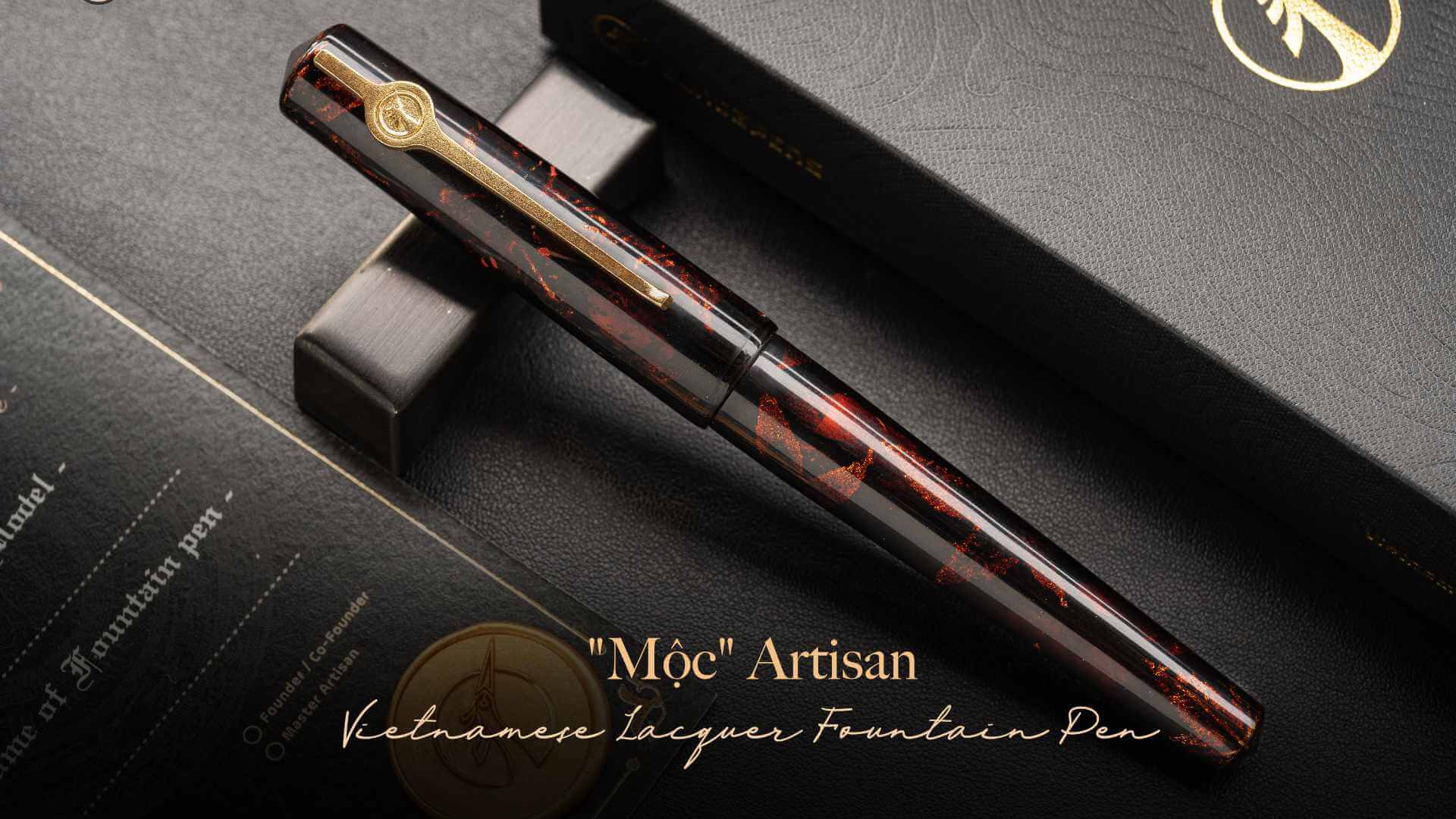
At ConCoPens, our craftspeople follow this same dedication. We practice Son Mai, the traditional Vietnamese lacquer art, which shares the same roots as Japanese Urushi. Each pen we create goes through an equally rigorous layering and polishing process.
In addition, we use only natural materials and traditional tools. We reject shortcuts. Consequently, each ConCoPens pen carries a certificate of authenticity, confirming the artisan and the materials used. You do not simply buy a pen. You own a piece of living craft heritage.
Explore our signature works such as the Cloud Lacquered Fountain Pen, the Vietnamese Lacquer Pen – Crimson Dragon, and the Cracked Enamel Lacquer Fountain Pen.
Ready to own a piece of this tradition? Browse our handcrafted lacquer pen collection here.